
Preparing to travel in Europe
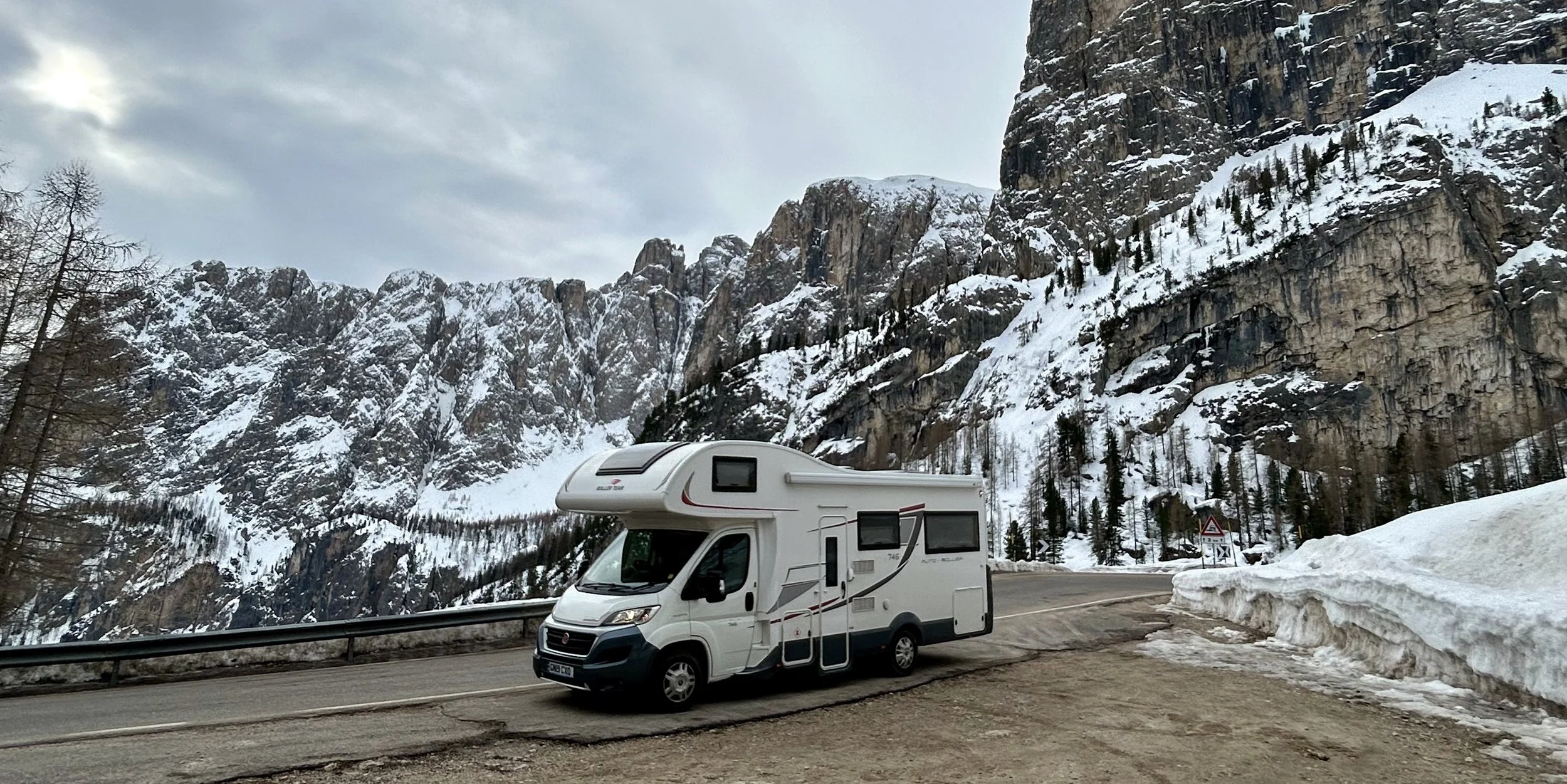
Planning your first trip to Europe can be both exciting and terrifying at the same time as there are so many extra things to consider compared to driving in the UK.
I have complied all the things you need to check or buy before your trip to help remove the stress of the unknown:
Paperwork:
Passports – To travel to Europe your passport must be: Issued less than 10 years before your departure date. Valid for at least three months after your planned return date.
Original V5/vehicle logbook – It’s the law to carry the original on you (I always take an extra photocopy)
Driving licence – Check this is in date for the duration of your trip.
Vehicle insurance - does it cover the countries you are visiting? Print a copy to take with you. Save the relevant numbers into your phone contacts.
Breakdown cover – does it cover the countries you are visiting? Print a copy to take with you. Save the relevant numbers into your phone contacts.
MOT/Service – are they due while you are away? Is it worth getting them done before your trip, especially the service if you are going to drive a lot of miles.
Travel insurance – does it cover the countries you are visiting? Does it cover the duration of your trip? Does your policy require you to have a return journey booked to be valid? Print a copy to take with you. Save the relevant numbers into your phone contacts.
European Health Insurance card - A free card that gives you access to medically necessary, state-provided healthcare during a temporary stay in any of the 27 EU countries, Iceland, Liechtenstein, Norway and Switzerland or the United Kingdom under the same conditions and at the same cost (free in some countries) as for people insured in that country. Each personal traveling needs their own card and they are valid for 5 years. This is not a replacement for travel insurance (How to apply)
Physical things you need to carry/display while driving:
Country flag and letters on your number plate, such as UK & Union jack flag – this can be added as a sticker to existing number plates.
White oval UK sticker – this goes on the back of your vehicle. In some countries this is not needed if you have the identifier on your number plate, but in countries such as Spain this is still required.
Headlight deflectors – European law states that you must not dazzle oncoming drivers and must take measures to ensure this doesn't happen – either through adjusting your headlights manually or using deflectors.
High visibility vest/jacket – Rules vary per country on if this is just needed for the driver or everyone travelling in the vehicle.
Warning triangle – They are a legal requirement in most EU countries, although the number required differs from country to country (Some countries require two, one for the front and one of the rear of your broken down vehicle) From 1 January 2026, V16 luminous beacons with geolocation connectivity will be mandatory for Spanish vehicles but foreign registered vehicles can continue to use warning triangles.
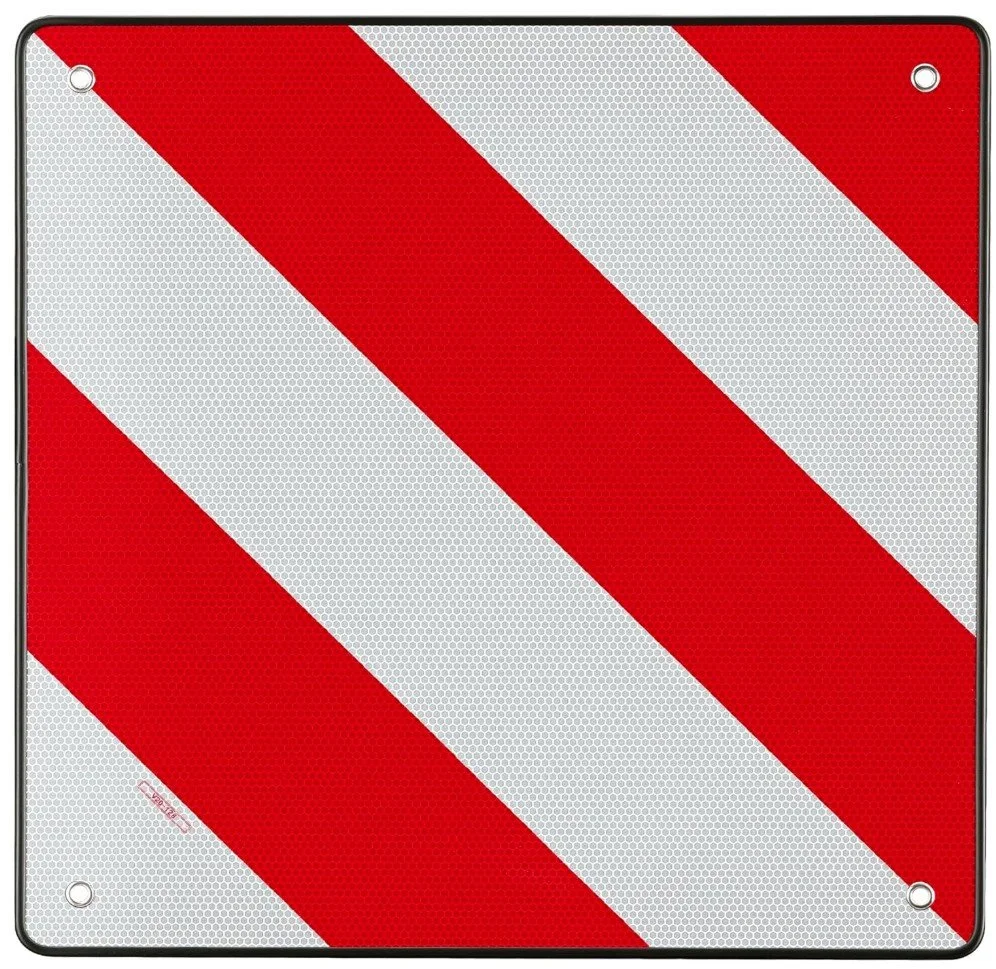
Warning board for rear carrier – if you have bikes on the back of your vehicle or a rear box you need a marker board attached. If what you are carrying is wider than the vehicle you need one at each edge pointing down (forming an inverted V) Spain and Italy have further requirements on the size and material of the warning board.
Spare pair of driving glasses – a legal requirement in most European countries.
Spare light bulbs (Headlights, side lights etc) – a legal requirement in most European countries.
First aid kit – an approved first aid kit is mandatory in many countries in Europe.
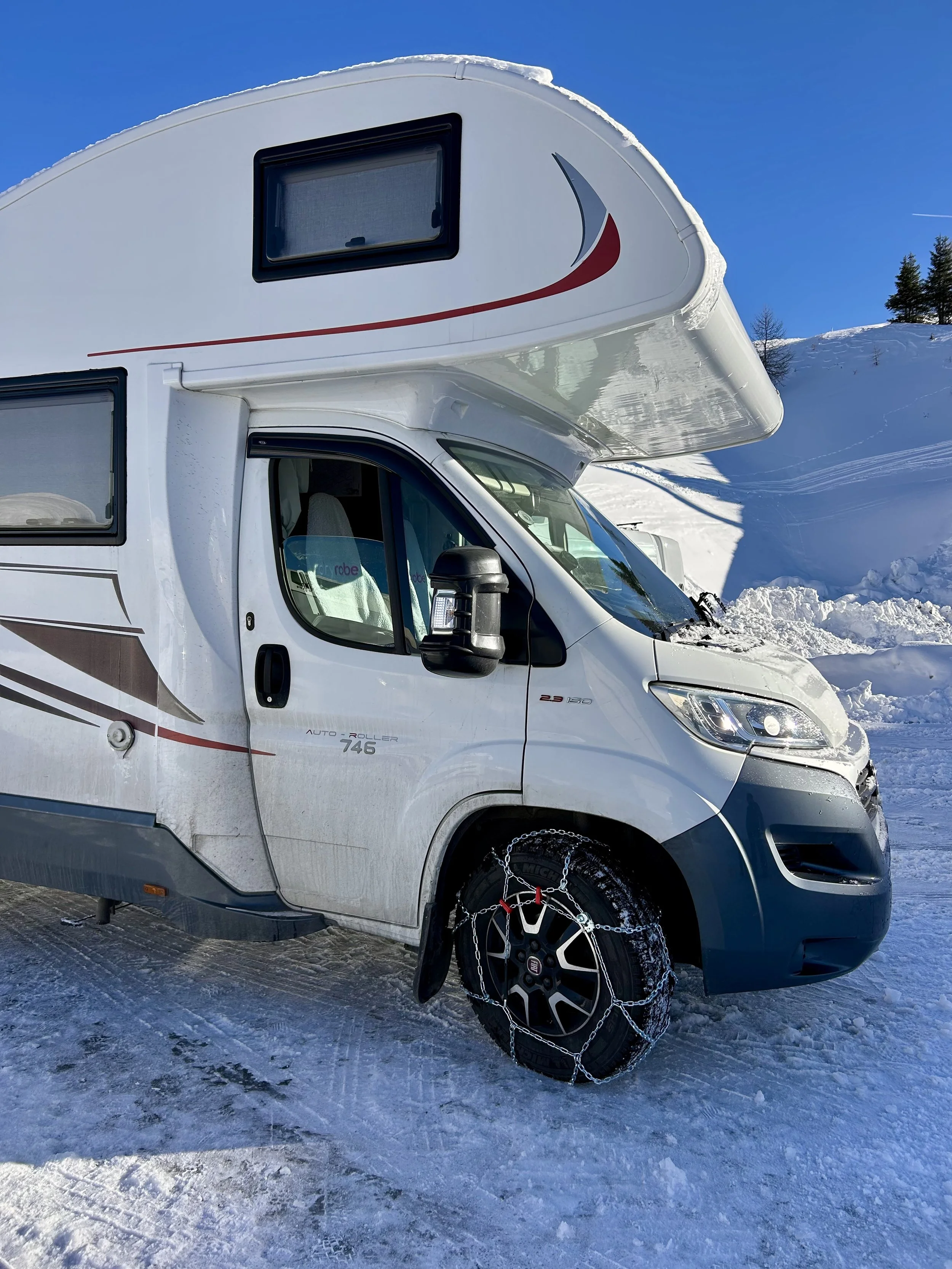
Winter tyres or Snow chains - In mountainous areas and where indicated by signs, snow chains or winter tires may be mandatory during specific periods (e.g. 1November to 31 March).
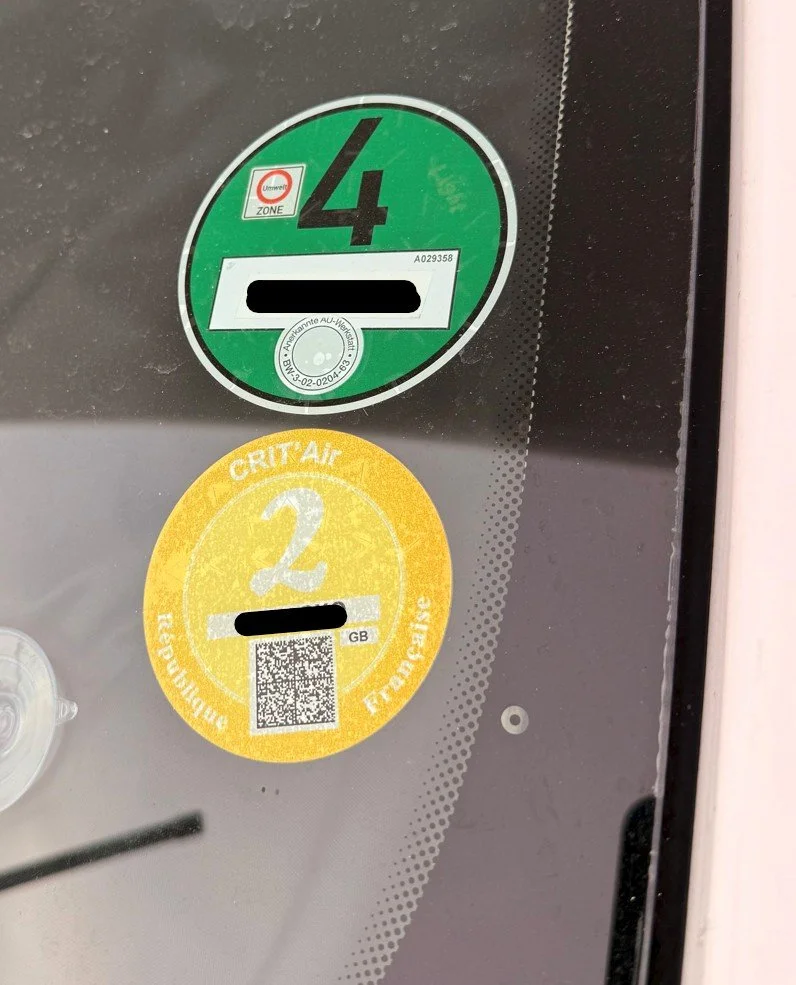
Vignette sticker – do the countries you are travelling to require a vignette for clean air/low emission zones, such as the Crit air in France, or German emissions sticker – These need to be ordered in advance from the official sites and displayed in the window.
Toll roads – If you are travelling through countries with toll roads, some can be paid via a physical box that is charged when you use the toll road, such as Bip and Go which can be used in France, Spain, Portugal and Italy (for vehicles under 3.5t only)
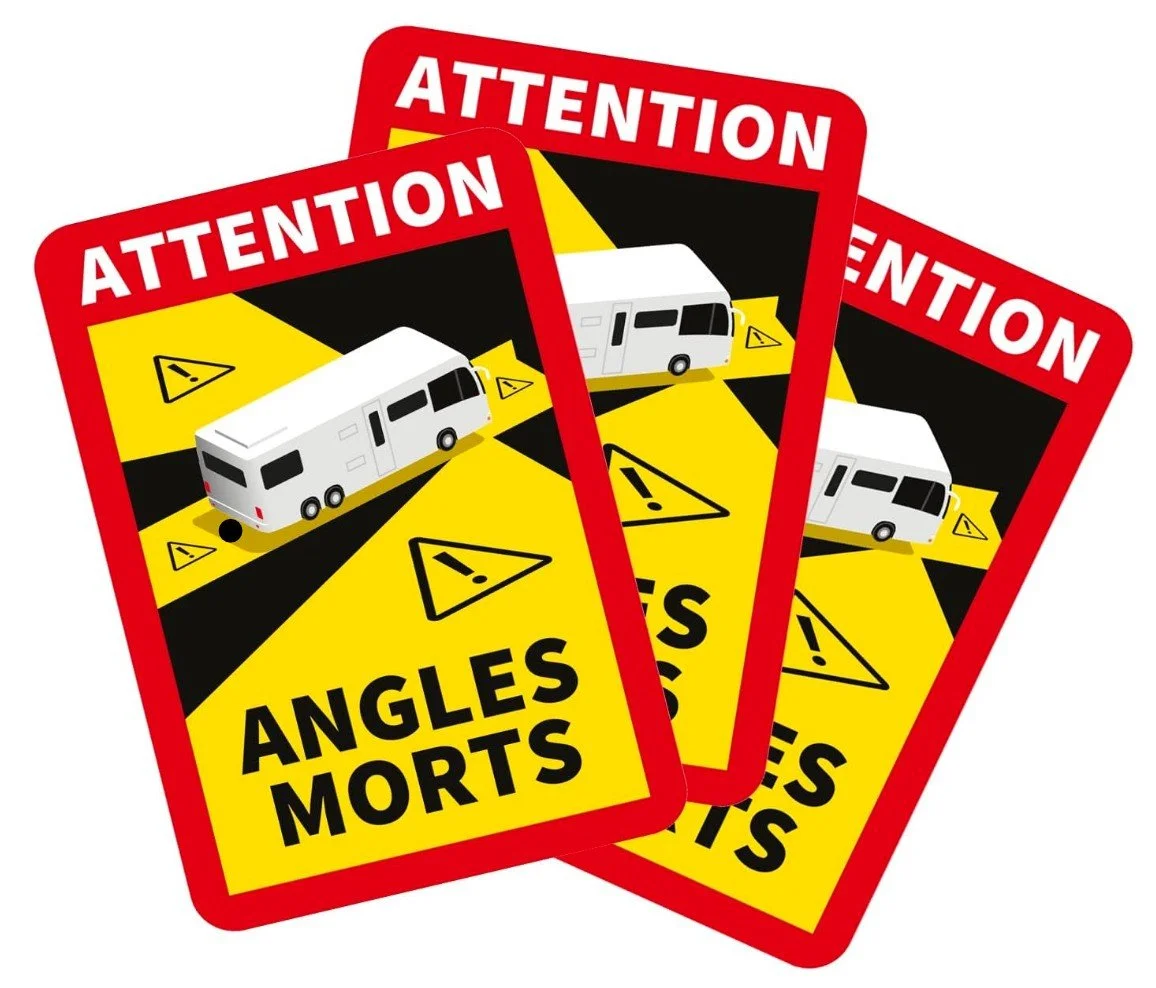
Angles de Morts" Stickers – Blind spot stickers for both cab doors and the rear are required if your vehicle is over 3.5t in France.
Some countries also require you to carry:
Spare wheel or tyre repair kit
Fire extinguisher
Breathalysers - Since 2020, breathalysers have no longer been a legal requirement in France, however many drivers still choose to carry them.

Other useful items to carry:
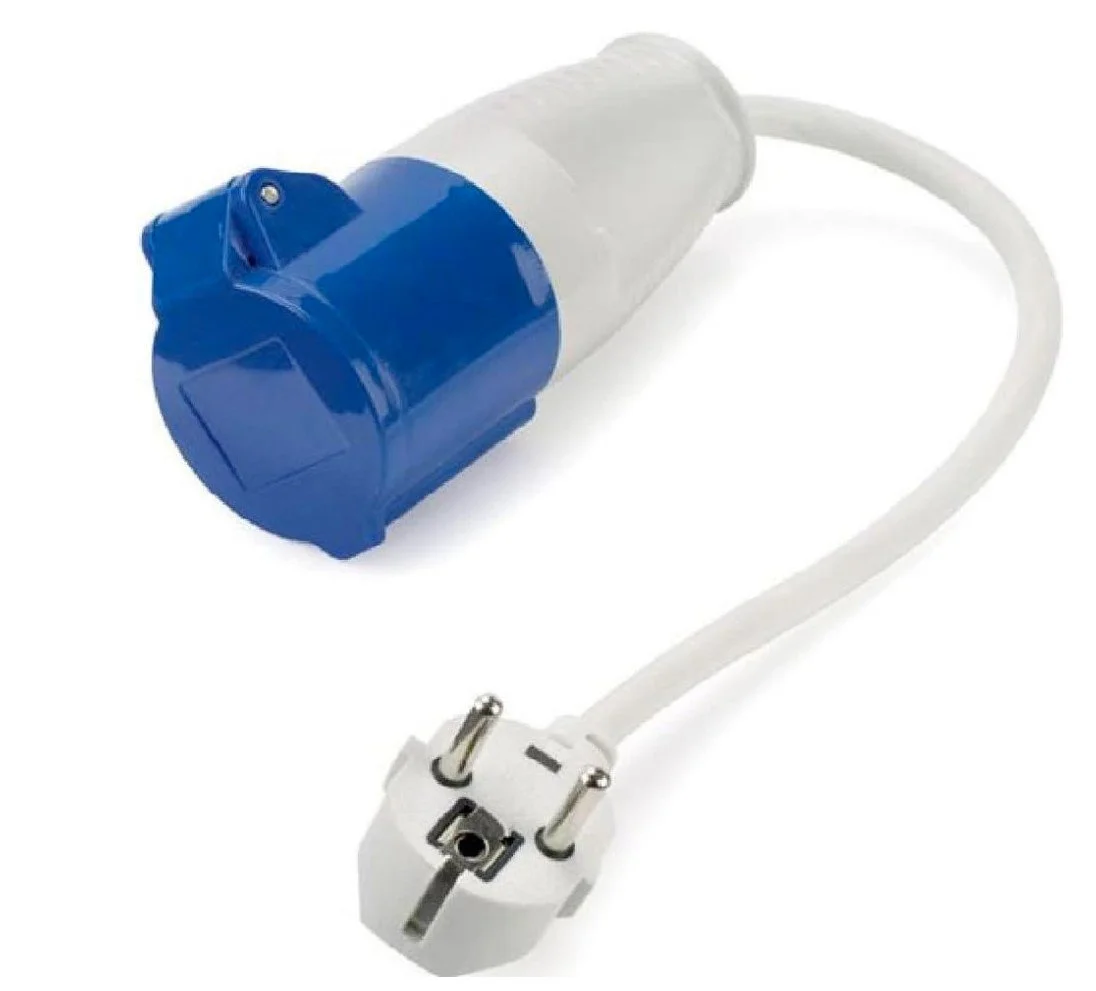
Hook Up Adaptor Lead Plug – some campsites you will need a 2-pin adaptor to use your Electrical Hook-Up (EHU) lead
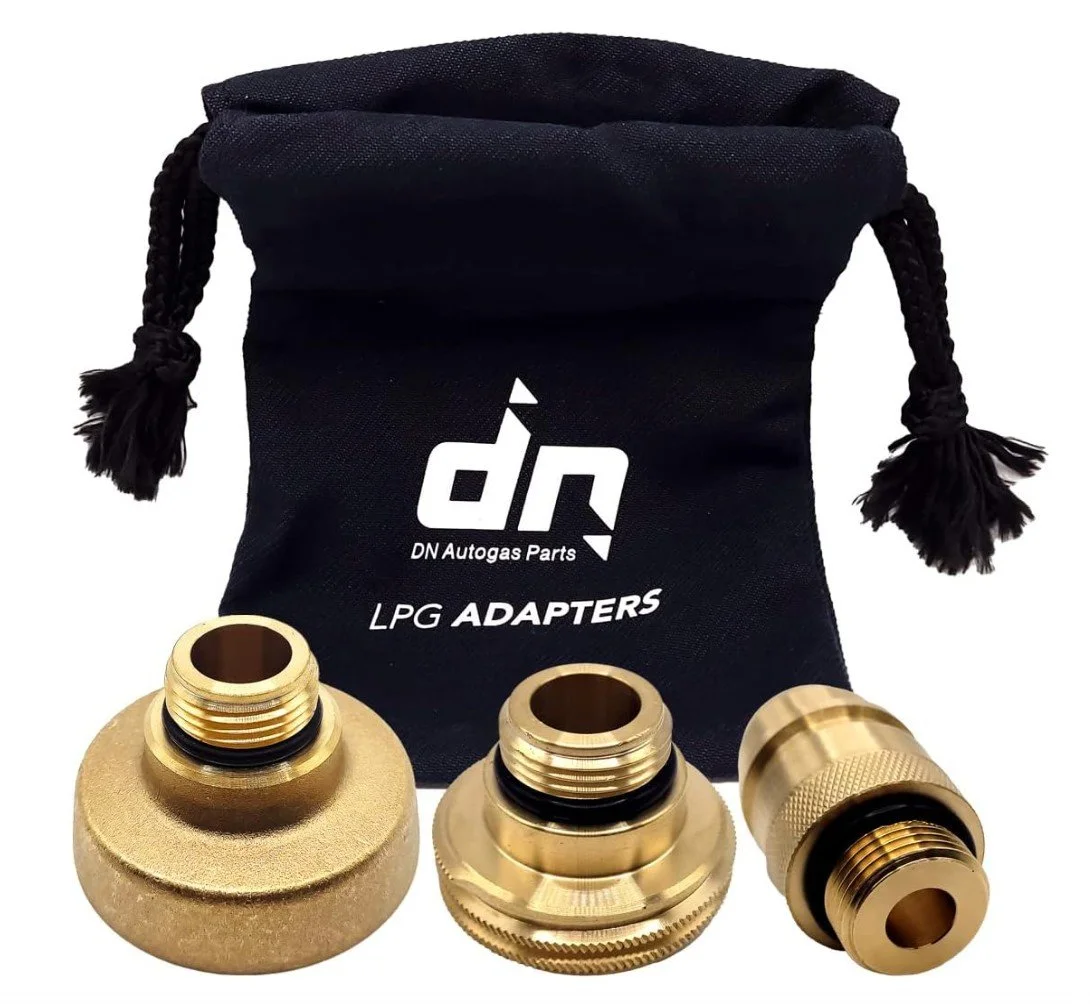
LPG adaptors – If your gas runs on LPG you will need a set of adaptors to fill up in Europe, they vary from country to country so it’s best to order the set of 3 to cover everywhere.
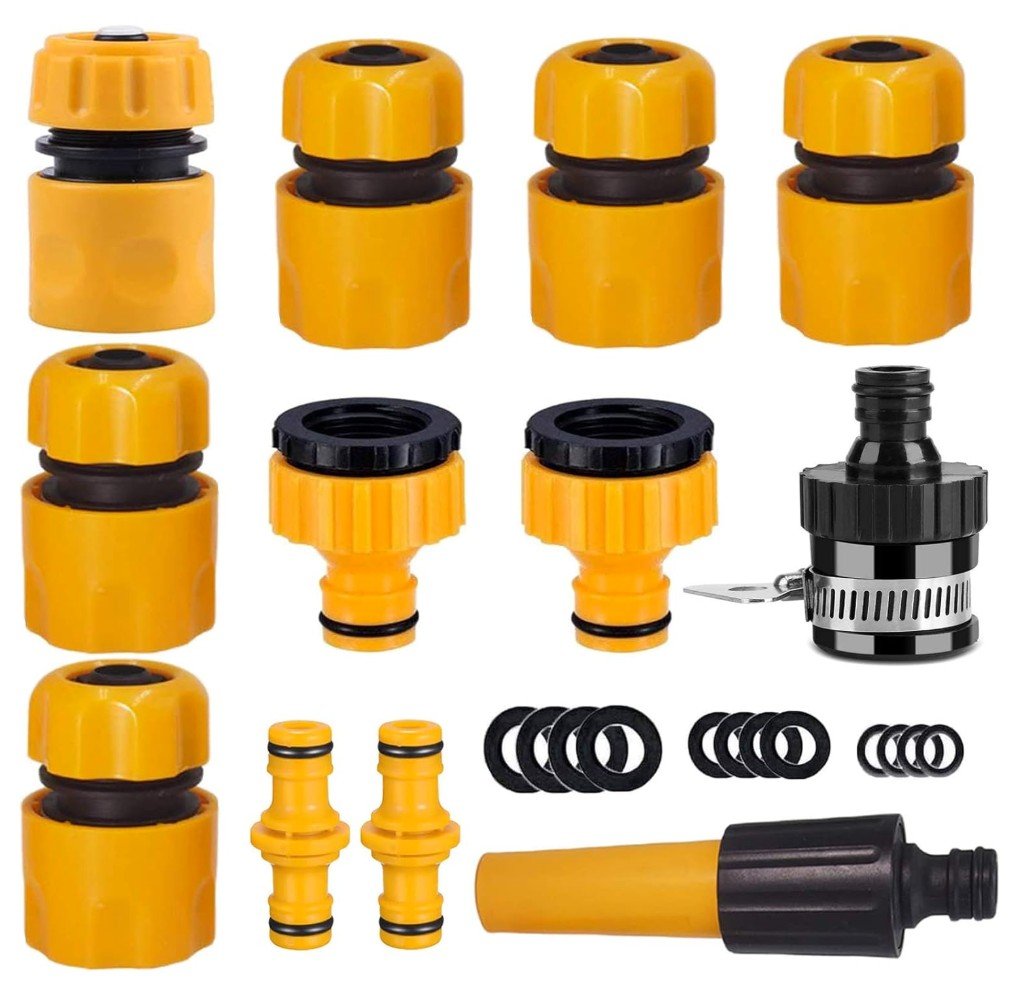
Hose adaptors – Taps can vary so having a mix of options can come in useful, from larger and smaller thread connectors, or universal tap adaptors.
Other considerations:
Be aware that you cannot take the following with you into France/Europe:
meat or products containing meat (for human or animal consumption)
milk or dairy products
French & German law prohibits drivers from using devices capable of detecting speed cameras and warning drivers of their location. Penalties can include fines of up to €1,500 and confiscation of the device and vehicle.
I hope this helps take the stress out of preparing for your trip to Europe and you have an amazing adventure in Europe.
If you are travelling with a dog, see my post Taking your pet to Europe with you.